Chosen theme: Adjusting Light for Indoor Plants in Autumn. As days shorten and sun angles shift, let’s fine-tune light to keep your living room jungle strong. Share your setup or questions, and subscribe for weekly autumn plant-light tips.
By late autumn, many regions lose two to three hours of usable sunlight, reducing photosynthetic opportunity. Expect slower growth, tighter internodes, and fewer new leaves. Adjust light hours thoughtfully rather than chasing summer results. Comment with your latitude.
Shift light-hungry plants within one meter of brighter windows while avoiding cold panes and heater blasts. A simple relocation often raises light levels significantly. Test for cool drafts with your hand, and comment if your windows get foggy in mornings.
Look for full-spectrum or balanced white LEDs with credible efficiency. Target moderate PPFD ranges for foliage plants while avoiding excessive intensity for shade lovers. If specs confuse you, drop your model number in comments for personalized guidance.
Supplemental Lighting That Feels Like Autumn Sun
Mount lights 20 to 45 centimeters above canopies, angling to reduce harsh hotspots. Aim for overlapping coverage rather than a single spotlight. Adjust height as plants grow. Share your shelf dimensions and we’ll help calculate a practical setup.
Clean leaves for clearer photosynthesis
Dust acts like sunglasses, blocking precious light. Wipe leaves gently with a damp cloth, supporting each leaf from beneath. Avoid oily shine products. Post your favorite leaf-cleaning routine, especially for fuzzy or textured foliage types.
Reflect light with bright backgrounds
Place white boards, pale walls, or reflective panels behind plants to bounce light back into canopies. Even a poster board can brighten lower leaves. Show your simplest reflector hack and how much brighter your shelf looks now.
Selective pruning to reduce self-shading
Remove weak, crossing, or severely shaded stems, channeling light to healthier growth. Pruning opens canopies, improving airflow and light penetration. Share a before and after snapshot of an overgrown philodendron you reshaped for fall success.
Matching Species to Autumn Light Levels
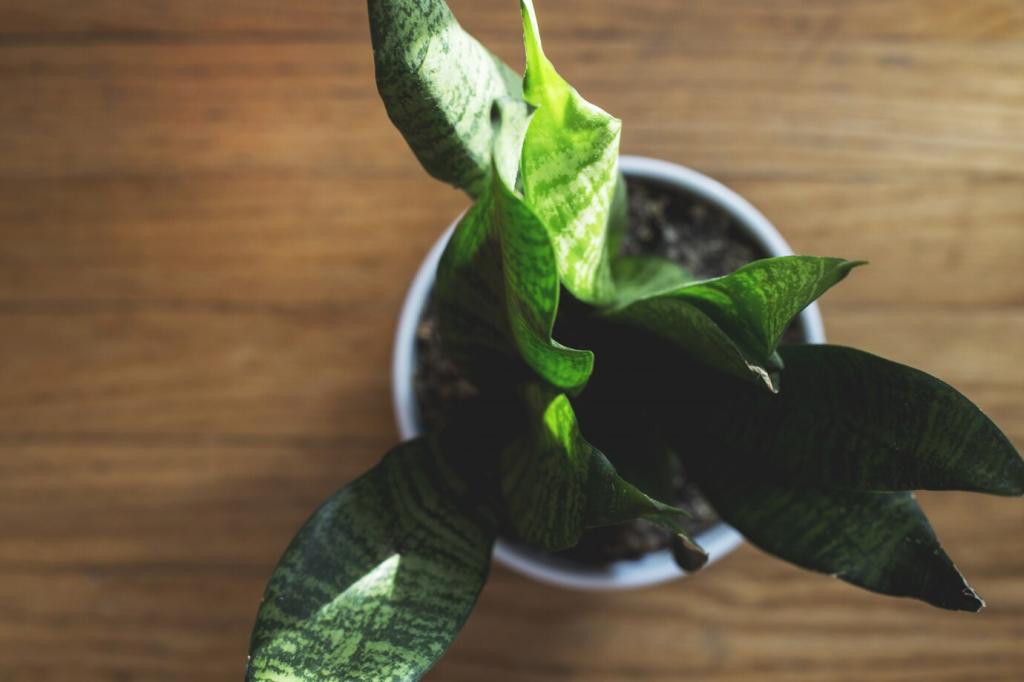
ZZ plant, pothos, and snake plant tolerate lower autumn light, yet still benefit from a slight move toward brighter exposure. If your ZZ stalls, try a brighter spot. Tell us which low light plant surprised you by growing in fall.
Leggy stems, pale leaves, and new growth smaller than usual suggest light deficits. Soil may stay damp longer. Move closer to windows or extend LED hours. Share a photo, and we will help confirm whether your plant is simply resting or struggling.
Reading Plant Signals and Troubleshooting
Bleached patches, crispy margins, and sudden droop after a sunny afternoon imply excess intensity. Soften exposure with sheer curtains or increase lamp distance. Comment with your setup and we will suggest a gentle adjustment plan.
Your Autumn Light Routine
Rotate plants, wipe a few leaves, verify timer settings, and reassess positions after cloudy weeks. Small, consistent steps matter more than weekend overhauls. Download our checklist by subscribing, and tell us which task helps you most.
Your Autumn Light Routine
One reader brews tea every Sunday, inspects leaves under warm lamps, and makes tiny adjustments. That ritual turned plant care into calm reflection. Share your autumn routine and how it helps you notice early changes in light needs.