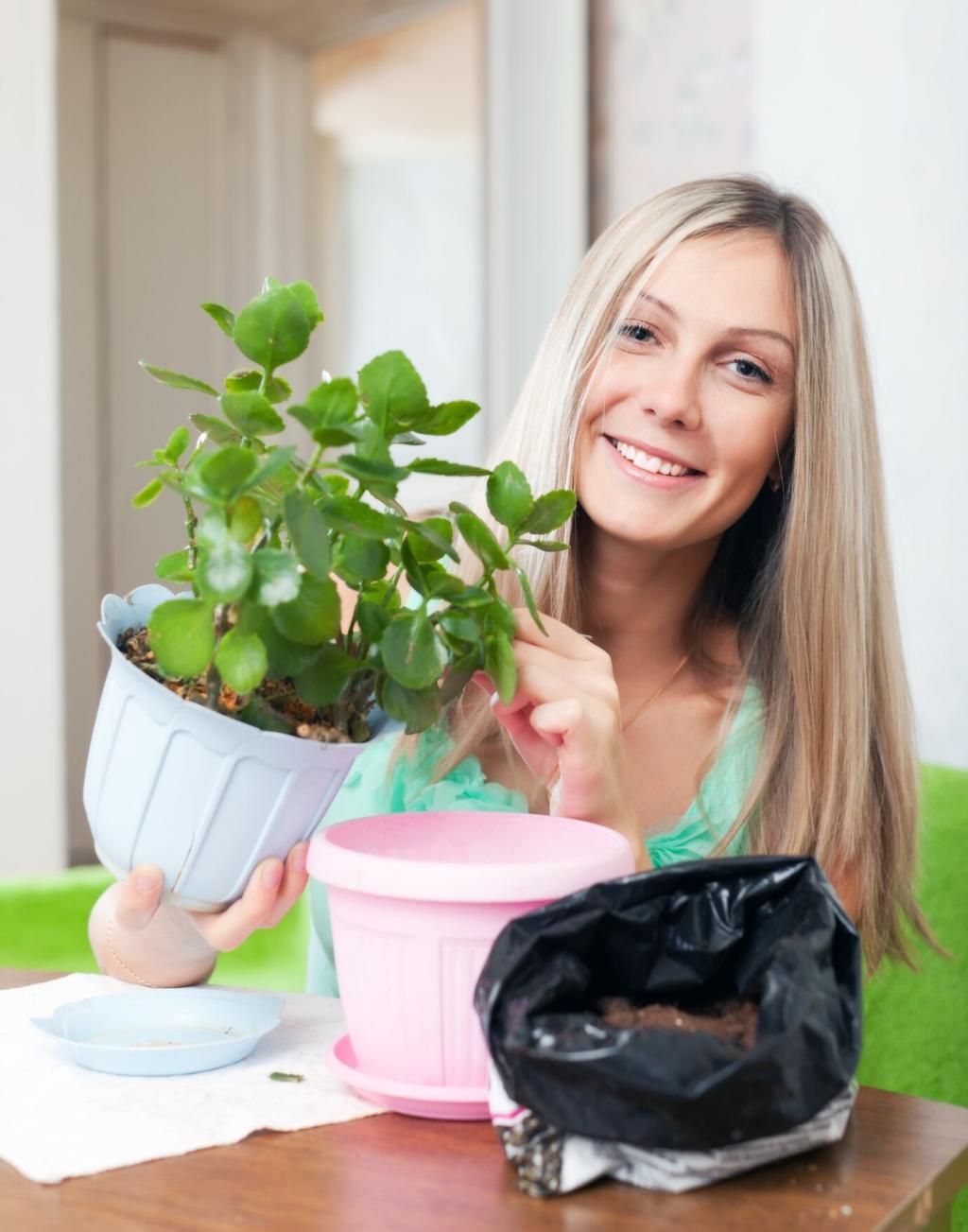
Welcome, plant friends! This edition is dedicated to the theme “Overwintering Houseplants: A Complete Guide,” helping you protect foliage, flowers, and your peace of mind through the colder months. Settle in, sip something warm, and let’s winterize your indoor jungle together.

Reading the Season: How Houseplants Shift Into Winter Mode

Dormancy Versus Distress

Winter dormancy often looks like fewer new leaves, slower growth, or slight yellowing at the oldest foliage. Distress looks different: limp stems, mushy roots, and rapid leaf drop. Learn to read these signals, react calmly, and comment with your trickiest winter symptoms so we can troubleshoot together.

Seasonal Rhythm Checklist

Expect cooler rooms, weaker light, and drier air. Many plants pause; some, like geraniums and citrus, prefer brighter windows to keep going. Share the moment you realized winter had arrived for your collection, and subscribe for our month-by-month reminders to stay confidently ahead.

Setting Intentions for Winter Care

Create a simple plan: gentler watering, stable temperatures, regular inspections, and realistic goals. Your plants are not racing; they are resting. Tell us your top winter intention—less watering, better light, or pest prevention—and join our newsletter for a supportive nudge each week.

Let There Be Light: Maximizing Winter Sun Safely

South or west windows usually offer the strongest light in winter. Move light-hungry plants closer, rotate weekly, and dust leaves for a clearer path to the sun. If you have a dramatic winter sunbeam, snap a photo and tell us which plant thrives there best.

Let There Be Light: Maximizing Winter Sun Safely

Use full-spectrum LEDs 6–12 inches above foliage for 10–12 hours daily. Start conservatively to avoid bleaching, and rely on timers for consistency. Share your grow light setup, and subscribe to get our quick reference on bulb types, distances, and schedules tailored to winter needs.
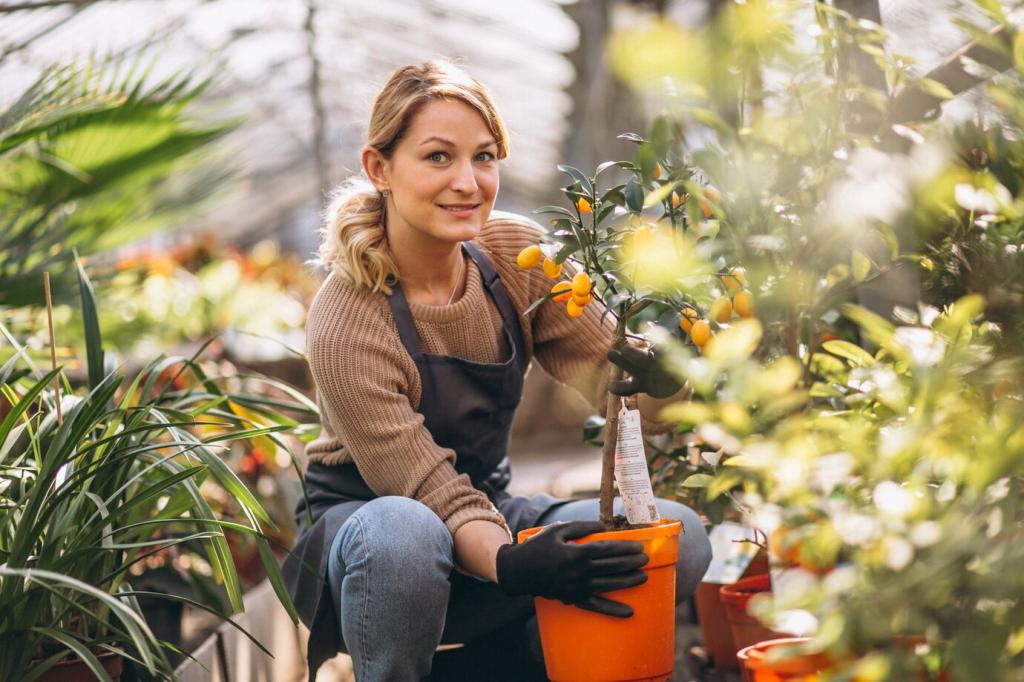
Water, Humidity, and the Art of Restraint

Check moisture by feeling soil two knuckles deep and lifting the pot to assess weight. Succulents and cacti prefer nearly dry mix; tropicals like a lightly moist, airy root zone. Tell us your plant’s thirst patterns, and we’ll suggest a winter rhythm that feels manageable.

Water, Humidity, and the Art of Restraint

Room humidifiers, grouped plants, and pebble trays raise ambient humidity to a comfortable 40–50 percent. Misting is temporary and can encourage pests if overdone. Share your humidity hacks—models, placements, or routines—and subscribe for our winter air-care checklist.

This is the heading

Lorem ipsum dolor sit amet, consectetur adipiscing elit. Ut elit tellus, luctus nec ullamcorper mattis, pulvinar dapibus leo.

This is the heading

Lorem ipsum dolor sit amet, consectetur adipiscing elit. Ut elit tellus, luctus nec ullamcorper mattis, pulvinar dapibus leo.

Routines, Records, and Finding Joy Indoors

01
Every week, rotate plants, wipe leaves, check moisture, and inspect for pests. Small, consistent actions prevent big problems. Share your ritual and we’ll feature a few routines in our next guide—your approach could help a new plant parent feel confident.
02
Log watering dates, treatments, light changes, and observations. Patterns appear; mistakes shrink; successes repeat. Tell us your latest journal insight, and subscribe for a printable winter spread to track habits and celebrate quiet progress through the season.
03
Post a photo of your coziest plant corner, ask questions, and cheer on others. Together we grow better, even when the weather says otherwise. Join our newsletter and share your story so we can learn, laugh, and overwinter our houseplants as a caring crew.
Allmicrophone
Privacy Overview

This website uses cookies so that we can provide you with the best user experience possible. Cookie information is stored in your browser and performs functions such as recognising you when you return to our website and helping our team to understand which sections of the website you find most interesting and useful.